
The Canadian CBD industry has witnessed exponential growth in recent years. As consumer demand rises, so does the need for environmentally conscious practices. With Canada’s reputation for sustainability and innovation, many CBD producers are adopting eco-friendly approaches to ensure that the market thrives without harming the planet. From organic farming to green packaging, sustainable CBD production is becoming a key driver in Canada’s wellness industry.
Why Sustainability Matters in CBD Production
CBD is derived from hemp and cannabis plants, which require significant resources to grow, process, and distribute. Unsustainable practices can lead to soil degradation, water pollution, and excessive carbon emissions. For Canadian producers, adopting eco-friendly methods is not only a moral responsibility but also a business strategy, as today’s consumers are increasingly eco-conscious and prefer products that align with their values.
Eco-Friendly Hemp Cultivation Practices
One of the most important aspects of sustainable CBD production is farming. Hemp naturally grows well in Canada’s climate, but the way it is cultivated makes a big difference in its environmental impact.
Organic Farming and Soil Health
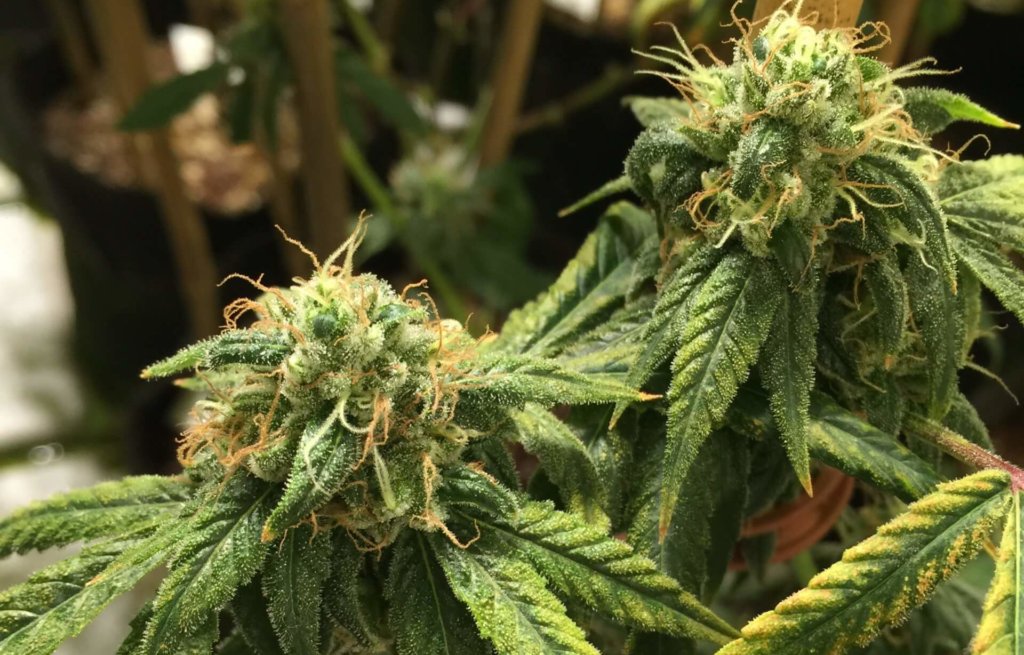
Many Canadian CBD farms are turning to organic farming techniques that avoid harmful pesticides and synthetic fertilizers. This not only protects local ecosystems but also ensures cleaner, safer CBD products for consumers. Healthy soil management practices, such as crop rotation and composting, help preserve biodiversity and maintain long-term fertility.
Water Conservation in Hemp Farming
Water is another crucial resource in CBD production. Some farms in Canada are using drip irrigation systems, which minimize water waste compared to traditional flood irrigation. Rainwater harvesting is also gaining traction, reducing reliance on municipal or groundwater sources. These practices are essential, especially in regions that experience seasonal droughts.
Energy Efficiency in CBD Processing
Beyond cultivation, the extraction and processing of CBD oil require energy-intensive equipment. Sustainable producers in Canada are making changes to minimize their carbon footprint.
Renewable Energy Integration
Some facilities are powered by renewable energy sources such as solar or wind power. By reducing dependence on fossil fuels, producers lower greenhouse gas emissions while maintaining high production standards.
Cleaner Extraction Methods
Traditional CBD extraction methods often use solvents that can harm the environment. However, many Canadian companies now use CO₂ extraction, which is safer, cleaner, and more energy-efficient. This not only reduces waste but also creates a higher-quality product.
Eco-Conscious Packaging for CBD Products
Sustainability doesn’t end with production; packaging plays a major role in CBD’s environmental impact.
Biodegradable and Recyclable Packaging
Forward-thinking Canadian CBD brands are moving away from plastic-heavy packaging and adopting biodegradable or recyclable alternatives. Glass jars, recycled cardboard, and compostable wrappers are becoming the norm.
Minimalist Design for Less Waste
Some companies also reduce their ecological footprint by using minimalist packaging designs. This means fewer materials, less ink, and lower energy use during production. At the same time, simple and elegant packaging resonates well with eco-conscious customers.
The Role of Government and Regulations in Canada
Canada’s cannabis and CBD industries are tightly regulated, and sustainability is increasingly being discussed as part of national and provincial policies.
Encouraging Sustainable Farming
Government initiatives encourage hemp farmers to follow eco-friendly practices. This includes grants for sustainable agriculture, research into hemp’s potential for carbon sequestration, and education on organic farming techniques.
Standardization and Transparency
Stricter labeling requirements ensure that consumers know how their CBD was produced. Transparency builds trust, allowing buyers to choose brands that align with their environmental and ethical values.
How Canadian CBD Brands Are Leading the Way
Several Canadian CBD companies are setting benchmarks for sustainability by integrating eco-friendly strategies into every part of their business model. These include carbon-neutral shipping, community engagement, and ethical sourcing. Such practices not only appeal to environmentally aware consumers but also help position Canadian CBD on the global stage as a leader in responsible wellness products.
Consumer Responsibility in Supporting Sustainable CBD
While producers play a crucial role, consumers also influence the shift toward eco-friendly CBD. By choosing products that are certified organic, use recyclable packaging, or come from local Canadian farms, buyers send a powerful message to the industry. Supporting sustainable CBD brands encourages more companies to adopt green practices, creating a ripple effect across the market.
The Future of Eco-Friendly CBD in Canada
Sustainability is no longer a trend—it is the future. As awareness of climate change grows, Canadian CBD producers will continue to invest in green innovations. From blockchain-based supply chain tracking to fully compostable packaging, the industry is expected to evolve rapidly in ways that benefit both consumers and the planet.
Read Also : Road-Trip Ready: How CBD Can Help You Stay Alert and Comfortable on Long Drives
Conclusion
Sustainable CBD production in Canada is more than just an ethical choice—it’s a commitment to protecting the environment while supporting wellness. Through organic farming, renewable energy, eco-friendly packaging, and transparent regulations, the Canadian CBD industry is proving that growth and sustainability can go hand in hand. For consumers, choosing eco-conscious CBD products not only benefits personal health but also contributes to a greener, healthier planet for future generations.