
Seasonal allergies, also known as hay fever or allergic rhinitis, affect millions of people worldwide. With symptoms like sneezing, runny nose, itchy eyes, and congestion, they can severely impact your daily life. While traditional allergy treatments like antihistamines and nasal sprays are common, many are now looking to CBD (cannabidiol) as a potential natural remedy for managing allergy symptoms. But can CBD actually help with seasonal allergies? In this blog post, we’ll explore the science behind how CBD works, its potential benefits for allergies, and whether it’s a viable option for relief.
Understanding Seasonal Allergies
Before diving into how CBD might help with allergies, it’s essential to understand what causes them. Seasonal allergies occur when the immune system reacts to harmless substances, like pollen, dust mites, or mold, as if they are dangerous invaders. This triggers an inflammatory response, releasing histamines, which cause symptoms like itching, sneezing, and swelling.
Traditional treatments for seasonal allergies typically focus on managing these symptoms through antihistamines, corticosteroids, or nasal sprays. However, these treatments can sometimes come with side effects like drowsiness, dryness, or dependency.
How Can CBD Help with Seasonal Allergies?
While CBD is not a direct cure for allergies, its anti-inflammatory, immune-regulating, and anti-histamine properties may offer relief from some of the symptoms associated with allergies. Here’s how CBD may help:
1. CBD’s Anti-Inflammatory Properties
One of the most well-known benefits of CBD is its anti-inflammatory properties. Seasonal allergies cause inflammation in the nasal passages, sinuses, and eyes, leading to discomfort and congestion. CBD interacts with the body’s endocannabinoid system (ECS), which helps regulate inflammation.
By interacting with CB2 receptors in the immune system, CBD may help reduce the inflammatory response that contributes to allergy symptoms. This could potentially lead to less swelling in the nasal passages and eyes, easing congestion and irritation.
2. Regulating the Immune System
Seasonal allergies are essentially an overreaction of the immune system to harmless substances like pollen. CBD may help modulate immune system responses, making it less reactive to allergens. Studies have shown that CBD has immunosuppressive effects, meaning it may help suppress overactive immune responses.
For those with seasonal allergies, this could mean fewer or less severe reactions to allergens, reducing the need for traditional allergy medications.
3. CBD’s Potential as an Antihistamine
Histamines are chemicals released by the immune system during an allergic reaction, and they are responsible for many of the uncomfortable symptoms of allergies, such as itching, swelling, and sneezing. Some early research suggests that CBD may have antihistamine properties, meaning it could potentially reduce the release of histamines in the body.
While more research is needed to fully understand CBD’s role as an antihistamine, this effect could explain why some people find relief from allergy symptoms when using CBD.
4. Alleviating Respiratory Symptoms
Many people with seasonal allergies suffer from respiratory issues, such as coughing, wheezing, and shortness of breath due to inflammation in the lungs. CBD’s anti-inflammatory effects may extend to the respiratory system, helping to reduce inflammation in the airways and improving breathing.
A 2015 study published in the Journal of Clinical Investigation found that CBD may reduce airway inflammation in animal models, suggesting its potential to help with respiratory symptoms in humans.
5. Calming Allergy-Related Anxiety and Discomfort
Allergy symptoms can be uncomfortable and disruptive, leading to anxiety and irritability in some individuals. CBD is widely recognized for its anxiolytic (anti-anxiety) properties, which can help calm the mind and reduce stress. For allergy sufferers, this could mean feeling more relaxed and less affected by their symptoms.
How to Use CBD for Seasonal Allergies
If you’re considering trying CBD for seasonal allergy relief, here are a few ways to incorporate it into your routine:
1. CBD Oil Tinctures
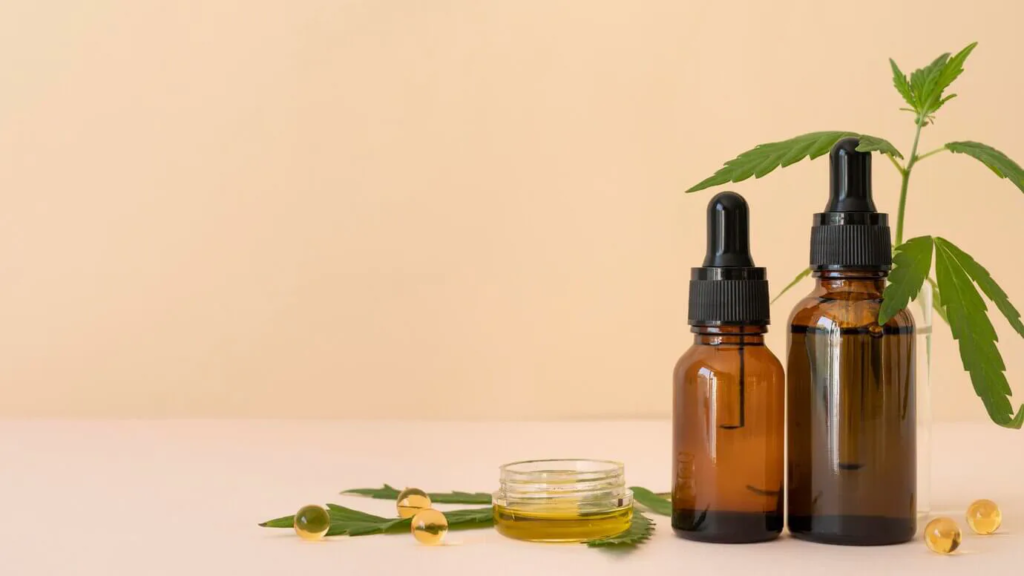
CBD oil tinctures are one of the most popular ways to take CBD. By placing a few drops under the tongue, CBD is quickly absorbed into the bloodstream, providing relief within 15-30 minutes. For those dealing with allergy-related inflammation or respiratory issues, tinctures can be an effective way to manage symptoms.
2. CBD Capsules or Edibles
CBD capsules or edibles provide a convenient and precise way to take CBD, especially if you prefer not to taste the oil. While these methods take longer to work (due to the digestive process), they offer longer-lasting effects.
3. CBD Topicals
For individuals who experience skin reactions from seasonal allergies (such as hives or rashes), CBD-infused creams or balms can be applied directly to the affected area to reduce itching and inflammation.
4. CBD Inhalers
CBD inhalers are becoming more popular for addressing respiratory issues, as they allow the CBD to reach the lungs quickly. This can be beneficial for individuals suffering from allergy-induced asthma or breathing difficulties during allergy season.
Are There Any Risks to Using CBD for Allergies?
CBD is generally considered safe, but it’s important to consult with a healthcare provider before using it to manage allergies, especially if you’re already taking medications like antihistamines. Some potential side effects of CBD include dry mouth, drowsiness, and changes in appetite, though these are typically mild.
It’s also important to ensure that you’re using high-quality CBD products that are third-party tested for purity and potency. Low-quality products may contain contaminants or excessive levels of THC, which could cause side effects.
What Does the Research Say About CBD for Allergies?
While research on CBD specifically for seasonal allergies is still in its early stages, there is growing evidence that CBD’s anti-inflammatory and immune-modulating properties may help alleviate allergy symptoms.
A 2019 study published in the European Journal of Pharmacology found that CBD reduced inflammation in animal models of asthma, suggesting that it may help with respiratory inflammation caused by allergies. However, more human studies are needed to confirm these findings.
In another study published in the Journal of Pharmacology and Experimental Therapeutics, researchers found that CBD reduced the production of pro-inflammatory cytokines, which are involved in allergic reactions. This indicates that CBD may play a role in dampening the immune system’s overreaction to allergens.
Final Thoughts: Can CBD Help with Seasonal Allergies?
While CBD is not a replacement for traditional allergy medications, its anti-inflammatory, immune-modulating, and antihistamine properties make it a promising natural option for managing seasonal allergies. Whether you’re dealing with sneezing, itching, or respiratory issues, CBD may help alleviate some of the discomforts associated with allergies.
If you’re considering using CBD for seasonal allergies, be sure to consult with your healthcare provider to determine the best approach for your needs. Additionally, choose high-quality CBD products from reputable sources to ensure safety and effectiveness.
With the potential to reduce inflammation, calm the immune system, and relieve anxiety, CBD could be a valuable tool in your allergy management toolkit.