
Introduction:
Cannabis cultivation begins with the fundamental process of seed germination. Whether you’re a novice grower or a seasoned enthusiast, mastering the art of germinating cannabis seeds is essential for a successful harvest. In this comprehensive guide, we’ll delve into the essential techniques and tips for mastering cannabis seed germination, covering everything from seed selection and preparation to germination methods and troubleshooting common issues.
Understanding Cannabis Seed Germination:
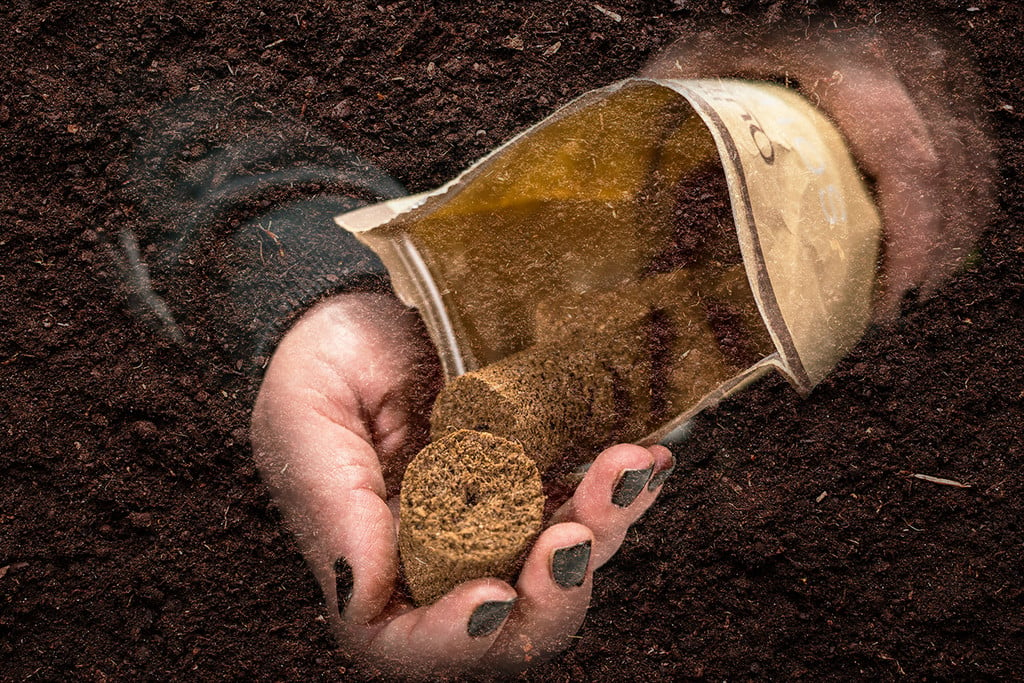
Before diving into the techniques of seed germination, it’s crucial to understand the biology behind this process. Cannabis seeds are dormant embryos encased in a protective shell, waiting for the right conditions to sprout and grow into healthy seedlings. Germination is triggered by the presence of moisture, oxygen, and optimal temperature, signaling the seed to break its dormancy and initiate the growth process.
Essential Techniques for Cannabis Seed Germination:
1. Seed Selection: Start with high-quality cannabis seeds from reputable breeders or seed banks. Look for seeds that are dark in color, firm to the touch, and free from cracks or damage. Avoid seeds that are light-colored or immature, as they may have lower viability.
2. Seed Preparation: Before germination, it’s essential to prepare the seeds properly. Some growers choose to pre-soak their seeds in water for 12-24 hours to soften the seed coat and kickstart the germination process. However, this step is optional and not necessary for all seeds.
3. Germination Methods:
- a. Paper Towel Method: One of the most popular germination methods involves using a damp paper towel or cotton pad to germinate the seeds. Place the seeds between layers of moist paper towel in a sealed container and keep them in a warm, dark place. Check the seeds daily and transplant them into growing medium once they’ve sprouted taproots.
- b. Direct Planting: Alternatively, you can plant your seeds directly into the growing medium, such as soil or a germination plug. Make a small hole in the medium, place the seed inside, and cover it lightly with soil. Keep the growing medium consistently moist but not waterlogged, and provide adequate warmth and humidity for optimal germination.
4. Optimal Conditions: Ensure that your germination environment provides the ideal conditions for seedling growth. Maintain a temperature range of 70-85°F (21-29°C), with humidity levels around 70-90%. Provide gentle air circulation to prevent mold and fungal growth while allowing oxygen to reach the seeds.
5. Patience and Observation: Germination can take anywhere from a few days to a week or more, depending on various factors such as seed quality, germination method, and environmental conditions. Be patient and monitor your seeds closely for signs of sprouting, such as the emergence of taproots and cotyledon leaves.
Tips for Successful Germination:
- Avoid Overhandling: Handle your seeds with care to avoid damaging the delicate embryo inside. Rough handling or excessive manipulation can cause stress to the seeds and reduce germination rates.
- Maintain Consistent Moisture: Keep the growing medium consistently moist but not waterlogged during the germination process. Too much moisture can lead to fungal growth and rot, while too little moisture can delay or inhibit germination.
- Provide Adequate Light: While seeds don’t require light to germinate, they will need light as soon as they emerge from the soil. Once your seedlings have sprouted, provide them with 18-24 hours of light per day to promote healthy growth.
- Transplant Carefully: When transplanting your germinated seeds into their final growing containers, handle the seedlings with care to avoid damaging their delicate roots. Plant them at the same depth as they were in the germination medium and water them gently to settle the soil around the roots.
Common Issues and Troubleshooting:
- Damping Off: Damping off is a fungal disease that can affect seedlings during the germination process, causing them to wilt and collapse. To prevent damping off, ensure proper ventilation, avoid overwatering, and use sterile growing medium.
- Slow Germination: If your seeds are taking longer than expected to germinate, check the environmental conditions, such as temperature and humidity levels. Providing gentle warmth and moisture can help stimulate germination and speed up the process.
- Seedling Stretching: Seedlings that stretch and become leggy are a sign of inadequate light levels. To prevent stretching, ensure that your seedlings receive adequate light intensity and maintain the appropriate distance between the light source and the plants.
Read Also : How to Store Cannabis Seeds Long Term
Conclusion:
Mastering cannabis seed germination is the first step towards a successful and bountiful harvest. By selecting high-quality seeds, preparing them properly, and providing optimal germination conditions, you can ensure the healthy development of your seedlings from the very beginning. Remember to be patient, observant, and attentive to your plants’ needs throughout the germination process. With practice and experience, you’ll become a proficient grower capable of germinating cannabis seeds with confidence and success.